Getting Everyone on the Same Page in Ministry

Share:

In churches and ministries it’s important for leaders, teachers, and other workers to be on the same page in ministry in terms of basic doctrine but also the Church’s purpose, design, and mission. When they are not, confusion and conflict can easily creep in and sometimes even destroy the work.

Getting Everyone on the Same Page in Ministry in Regard to the Essentials

We must distinguish between essentials (i.e., basic doctrine, God’s purposes, design, and mission for the Church as found in the Word) and non-essentials (methods, forms, structures, means). Then we must determine which is causing the problem.

If a non-essential, perhaps we need to extend a little grace to one another. It may not be our preference or style, but it isn’t worth destroying the work of God for a non-essential (Rom. 14:12-20).

If we differ on something essential, then we have a problem that we must work through. Together we must bring the issue before God in prayer. We must learn what He says about it from His Word. Fighting for our own preferences or opinions, rather than seeking to align with God and His Word, inevitably will lead to greater conflict and consternation.

We need to lean on the Spirit for discernment (1 Cor. 2:9-16) so we see the real issue. If we don’t, we probably won’t work through our differences. Then we won’t understand why something that seems like a non-essential causes so much trouble.

Teachers have complained and quit over not having freedom to do their own thing when the real issue was not wanting to support the church’s doctrinal position or perhaps they weren’t clear on the purpose for which they were teaching.

Churches have split seemingly because of building issues or methodology when the real issue was philosophy of ministry based on differing views of the how the Church is to function.

In-fighting has ensued in board meetings over continuance or discontinuance of programs, allocation of funds, etc. when the real issue was that they didn’t have the same view of the church’s overall purpose and mission.

A Plan to Get People on God’s Page

If you’re a leader, work toward building a culture more concerned with doing ministry God’s way rather than having everybody do what’s right in their own eyes. Part of that will involve Bible teaching but also being an example of someone who continually seeks to align with the character and ways of God. Obviously that will require making sure you are on page with God’s overall purposes, design, and mission as found in His Word. And, it will undoubtedly require putting safeguards in place to keep yourself and the church or ministry on track.

When recruiting people for ministry, communicate this intent and train them on what it means to align with God’s purposes, design, and mission in their respective ministries. Here are some resources from Ministry Tools Resource Center that could give you a start in your training.

Getting Leaders on the Same Page with Steering the Church Leadership Guides

The Steering the Church Leadership Guides can be used for you own personal alignment or with your leadership team to work through biblical teaching about God’s purposes, design, and mission for the Church. The objective is to use God as our point of reference, our north star, not merely what we think should be happening or what other churches might be doing.

Christian Education Leadership Training to Get Everyone on the Same PageThe Christian Education Leadership Team Training Session can help the Christian Education ministry of your church get on the same page in regard to its overall goal — that of seeing changed lives — and to understand what it will take to progressively move forward toward that goal. The session can be used with leadership who in turn can then train teachers in their sphere of influence using the Teaching for Changed Lives Workbook.

A one-time training event won’t be enough to build this kind of culture. Since we humans tend to be forgetful, we need continued reminders. And, we must keep open channels of communication with one another to prayerfully discuss issues in ways that keep bringing us back to God as the One with whom we must align.
Share:

First Steps to Change

Share:

Churches have had to implement change in many ways to stay effective, especially in recent years. How will we help people see where the church is going and their part in that process? Before trying to implement change, especially that which affects the church’s culture or DNA, we need to follow some important first steps to change.

Three Important First Steps to Change

If we’re going to effectively implement change, we can’t rush into it without doing these three steps:

  • Make Sure to Lay the Groundwork

To come onboard, people need to understand not just what changes must be made but why change is necessary. Simply telling them changes we’ve decided on will give them little incentive to do their part. When they are involved early on in the decision-making process, they’ll tend to have more of a sense of ownership of the changes needed and hence be more involved in getting there. We need to patiently lay some groundwork, asking ourselves questions like:

  • What do people need to understand in order to come onboard?
  • What means can we use to help them gain that understanding?
  • How can we consistently communicate that understanding?
  • Make Sure Leadership is Onboard

We will lay groundwork through teaching but that needs to be reinforced by the example of leadership. People must see a consistency between what we communicate formally and what they observe informally. Let’s first get leadership in the church on the same page and then move out to getting the rest of the Body onboard.

  • Make Sure to Get on Page with God

All of this needs to be enveloped in prayer. Undoubtedly heart change must happen, not just behavioral conformity. That requires divine power. If we fail to get beyond behavioral conformity, we probably won’t experience lasting change.

  • Pray in the planning stage.
  • Pray while laying the groundwork.
  • Pray in the implementation stage.
  • Pray when evaluating results.

First Things First Before Implementing Change

Too often we skip these first steps. Then we wonder why change is so difficult or why it doesn’t last or make a real difference. The third step listed above should actually be the first step in the process and infiltrate the other steps. — We need to be on page with God.

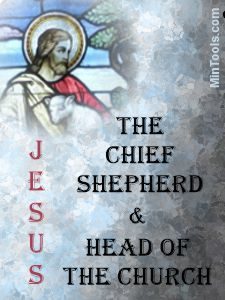
First Steps to Change Include Following the Chief Shepherd, Head of the CHurchChanges we make in the church must be more than the idea of an individual leader or leadership team. Jesus is the Chief Shepherd (1 Pet. 5:4) so we follow Him. We, as the entire Body of Christ, need to be following the direction of the Head of the Church.

And God placed all things under his feet and appointed him to be head over everything for the church, which is his body, the fullness of him who fills everything in every way. (Eph. 1:22-23)

… Christ is the head of the church, his body, of which he is the Savior. (Eph. 5:23)

And he is the head of the body, the church; he is the beginning and the firstborn from among the dead, so that in everything he might have the supremacy. (Col. 1:18)

So, first things first. Get on page with God, make sure leadership is onboard, and be sure to lay the groundwork with the rest of the Body. Then it will be time to start implementing change.

Also Check Out: Church Leaders & Change Management

Share:

Bible Teachers Have a Multifaceted Role

Share:

To make the most impact on students’ lives, Bible teachers need to see themselves as more than communicators. Bible teachers have a multifaceted role that takes them beyond merely dispensing knowledge to being used by God to change lives. It’s about making a difference for eternity by truly caring and investing into people’s lives.

Just as a nursing mother cares for her children, so we cared for you. Because we loved you so much, we were delighted to share with you not only the gospel of God but our lives as well. (1 Thess. 2:7b-8)

Impacting Bible Teachers Have a Multifaceted Role in Students’ Lives

Here are eight different facets of a Bible teacher’s role that, when all seen as a part of a teacher’s responsibility, will help them make a true difference in people’s lives.

Communicator

verbally informs students of what God’s Word says in ways that hold interest, fit their age level, accurately represent God’s intent, and encourage students to do something with what they learn

Conduit

lets God’s message flow through them in ways that pull on God’s power and guides students to faith by not only words but also demonstrating its reality

Disciplemaker

helps students know, love, follow and serve Jesus and become more like Him in all they say and do

Equipper

looks for opportunities to train students to serve and become more of who God desires them to be, preparing them to live for God in all kinds of situations

Friend

comes alongside of students, taking steps to get to know them, personally relate with them, and care about them as individuals

Model

not only tells students what they need to know but demonstrates it by their own lives through actions, words, and attitudes both in and outside of the classroom

Motivator

connects with students’ needs, interests, and development in ways that spur them on toward belief and application of God’s Word

Servant

willingly sacrifices one’s own time, convenience, and effort for students, exhibiting not only Christ-like actions but also attitudes that demonstrate His love and grace

Bible Teacher's Multifaceted Role
Check out the 70 page Bible Teacher’s Role training resource that looks at each of the above facets of a teacher’s role in greater depth with some questions that should spur you own to enhancing your effectiveness in these ways.

Share:

It All Matters When We’re Teaching the Word of God

Share:

Teaching the Word as a Lesson Worth Teaching
Whether preaching, teaching, or facilitating a small group, we must always remember that we’re teaching the Word of God. Unlike the author of any other book, God has full authority and the power to carry out anything written therein. When we approach the Bible with this mindset, it affects everything we do in the teaching-learning process. We want to make it A Lesson Worth Teaching that is so worth learning.

Curriculum Matters Because It’s God’s Word We’re Teaching

Lesson Preparation Matters Because We’re Teaching the Word of God

  • We will pray that God gives us the understanding we need.

This is what we speak, not in words taught us by human wisdom but in words taught by the Spirit, explaining spiritual realities with Spirit-taught words. …(1 Cor. 2:13-16)

  • We will study as one accountable to the Author of the Text, to accurately represent His intent.

Do your best to present yourself to God as one approved, a worker who does not need to be ashamed and who correctly handles the word of truth. (2 Tim. 2:15)

  • We will prepare a lesson that accurately and adequately reflects the Author.

Above all, you must understand that no prophecy of Scripture came about by the prophet’s own interpretation of things. For prophecy never had its origin in the human will, but prophets, though human, spoke from God as they were carried along by the Holy Spirit. (2 Pet. 1:20-21)

Lesson Presentation Matters Because We Want People to Know “All Scripture is God-breathed”

  • We will pray that God gives us the strength, grace, and wisdom to teach in ways that keep the focus on the Lord Himself.
  • We will make sure students understand it is God’s Word and that He’s the One behind all the stories and teaching therein.

Follow-Up Matters Because We Know God Works Through the Power of His Word

  • We will trust God to continue working in students’ lives as He promised that His Word will not return void (Isa. 55:11) which means we will keep praying.
  • We will do what we can to remind students of the power of God’s Word for their everyday lives which means we will in some way contact students with reminders.
Share:

Results of Making Christian Nurture a Priority

Share:

God established the home as the primary nurturing ground early on in the Bible. Parents were to make sure God’s commands were first in their own hearts and then impress them on their children (Deut. 6:4-9). Yet, God also wants His Church, believers of all ages, to be teaching one another (Col. 3:16). And, He gifted people to make sure it happens in the Church as “Christ himself gave the apostles, the prophets, the evangelists, the pastors and teachers, to equip his people so that the body of Christ may be built up” (Eph. 4:11-12). As we read on in Ephesians 4, we learn the results of making Christian nurture a priority.

3 Results of Making Christian Nurture a Priority in the Church According to Ephesians 4:11-15

1) It leads to spiritual maturity.

until we all reach unity in the faith and in the knowledge of the Son of God and become mature, attaining to the whole measure of the fullness of Christ. (Eph. 4:13)

2) It helps us acquire discernment.

Then we will no longer be infants, tossed back and forth by the waves, and blown here and there by every wind of teaching and by the cunning and craftiness of people in their deceitful scheming. (Eph. 4:14)

3) It culminates in church growth.

Instead, speaking the truth in love, we will grow to become in every respect the mature body of him who is the head, that is, Christ. (Eph. 4:15)

Results of Making Christian Nurture a Priority in Church Purpose Ministry Manual
The Church Purpose Ministry Manual considers Christian nurture as one of the ways we fulfill our primary purpose to love God with all of who we are. It lists the three results in this post along with two more important results of making nurture a priority.

Learn More: Resources for Bible Teaching Ministry

Share:

Where Should We Be As a Church?

Share:

We need to constantly ask ourselves strategic questions to make sure we get or stay on track as a Church — ministry assessment questions. Start with the question “Where should we be as a Church?” because that provides God’s standard against which to measure all other questions we might ask.

God’s Standard for Answering the Question, “Where Should We Be As a Church?”

God's Standard Answers Where We Should Be as a ChurchWhile the Church has undergone changes in recent days, we still have an unchanging standard for where we should be:

  1. God’s Purposes for us to love Him with all of who we are and to love people (Matt. 22:37-40)
  2. God’s Design for the Church to function as a Body (1 Cor. 12)

How we get there may change but the above realities should remain our priorities for when we are who we should be, we will tend to do what we should do — God’s mission (Matt. 28:18-20).

Reflect on the potential, not the current reality. Then in light of God’s purpose and design for His Church, zero in on what ministry you should be doing to accomplish His priorities.

The question “Where should we be as a Church?” is the first of five helpful questions we might ask. Input for doing ministry assessments using those five questions is included in the Staffing Ministry Manual because to effectively staff, we need to see where it fits into the big picture so we recruit the right people for the right ministries and provide them with the training and resources they need to do the work.

Share: